Posts

Showing posts with the label animals

Agate Fossil Beds - A Land That Time Forgot
Image
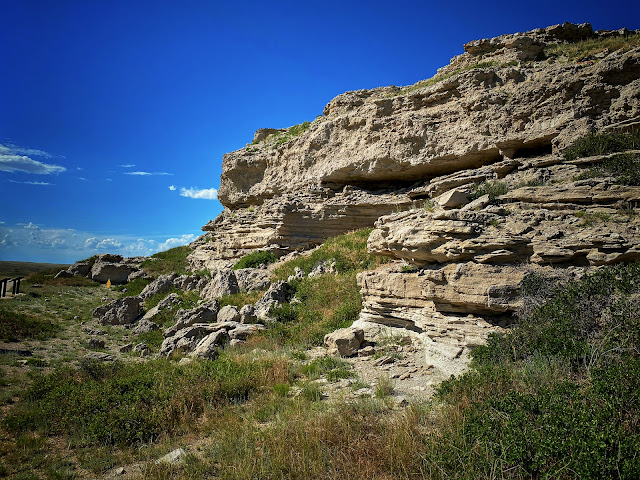
Agate Fossil Beds Unearthed in the panhandle that is western Nebraska, the Agate Fossil Beds are a fascinating monument documenting ancient history. From the associated museum, a steep, 3-mile trail leads up to Fossil Hills where the old dig site can still be seen. At the end of the dinosaurs, 65 million years ago, this area was a tropical lowland and mammals began to emerge. Volcanic activity was intense and a range of mountains started to form in the west while the climate became cooler and drier, transforming the region into a great savanna where immense herds of animals grazed on lush grasses. Common species on the prairie were Palaeocastor - a dry land beaver, Moropus - a distant relative of the horse, Menoceras - a three-foot-tall rhino and Stenomylus - a tiny gazelle-camel. Carnivores evolved to prey on these plains-dwellers the most notorious of which were Daphoenodon - a fearsome beardog and Dinohyus - a terrible hog endowed with bone-crushing teeth enabling it to scavenge
Denver Zoo - A Relaxed Atmosphere

Image
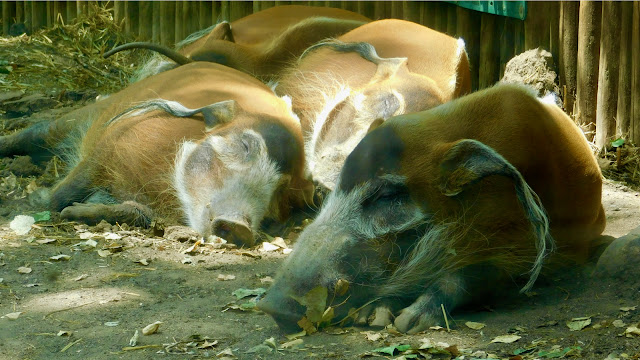
A relaxed atmosphere On a lazy, summer day at the Denver Zoo, we trekked across the grounds observing animals during their afternoon slumber. Too hot to engage in activity, most of the creatures we saw slept innocently in their comfortable confines. It always makes me feel bad to see wild animals held captive but in many cases it’s an unfortunate but necessary circumstance. The enclosures’s exotic inhabitants were well cared for and appeared content as they exhibited a friendly, playful attitude. I enjoyed roaming around the gardens because I could practice taking pictures in a more controlled environment. I was intent on capturing portraits and usually a theme develops which in this case was sleeping animals. After a busy morning rooting in the mud, red river hogs slept as hard as they live and the king of beasts looked vulnerable as he was laid out casually on a bed of lush grass. In a more touching display, two, tired otters were curled up quietly in a circular position. Whi

Horses - How the West was Won

Image
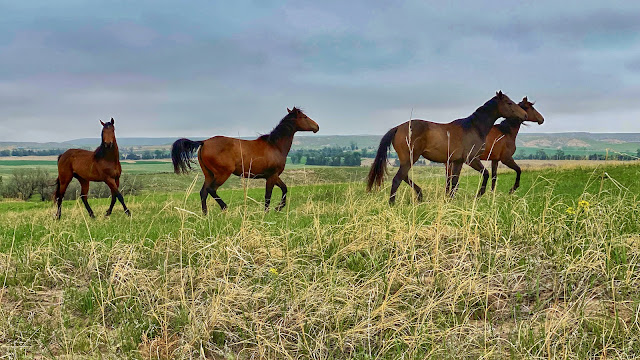
Horses Out in the panhandle of western Nebraska, where the desolate Sandhills assimilate into the North Platte River Valley, horses seem to outnumber the sparse human population. Circles of corn are scattered throughout the fertile basin but the rugged highlands are reserved as pastureland for cattle and horses. Sometimes I see them as a solitary creature lost in a vast sea of prairie grasses but usually these social animals are observed in small herds. Horses are curious by nature so sometimes they approach the fence line in order to investigate strange visitors. Horses spend most of their time grazing contentedly in their idyllic environment but sometimes they become quite playful as they run, buck and roll with enthusiastic delight. Horses are an indisputable symbol of the Great Plains and a beautiful reminder of their importance in how the West was won. Small herds Horses outnumber people North Platte River Valley Lost in a sea of grass Symbol of the Great Plains Grazing contente

Forest Bison - Buffalo Calves

Image
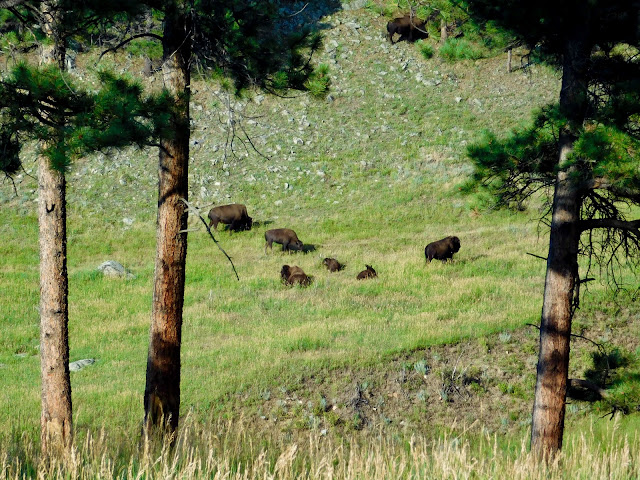
Forest Bison An enduring symbol of the Great Plains, the American Bison was driven to the brink of extinction during Westward Expansion. After a modest recovery, they can now be found in a woodland that adorns Colorado’s Front Range foothills. The mountain herd roams through a labyrinth of sharp slopes, draws, gulches and ravines that comprise Genesee Park. There is lots of activity at the forest’s edge where this year’s spirited younglings kick, buck, run and play from dawn until dusk. Born in May, the precocious devils are born into the world big and agile. The whole congregation is pretty protective and the cows collectively take care of the calves for about a year. They are reddish-orange at birth but their coloring gradually deepens in concert with the development of their fierce independence. On this warm summer evening, the different individuals engage in various behaviors such as resting, grazing and rock climbing. The easy-going adults move efficiently through the timb

Elk Meadow Mornings - Environmental Healing

Image
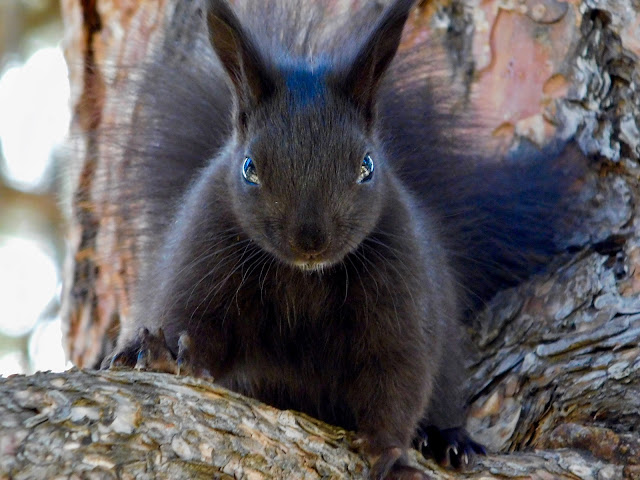
Environmental Healing While we struggle to maintain some sense of normalcy, nature is thriving evidenced by cleaner air, clearer water, active wildlife and bountiful birds. This spring, trails leading into the backcountry are deserted so the environment is healing at a noticeably accelerated pace. Shackled by a strict quarantine, I spend my mornings traipsing through Elk Meadow with a camera slung over my shoulder before sheltering in place the rest of the day. The daily routine begins in a spacious meadow and expands gradually into a lively woodland. Some days are more photogenic than others but in general there has been a plethora of engaging creatures. Right at the forest’s edge is where most of the action occurs because the animals can easily withdraw into the nearby safe haven. Elk and mule deer graze out in the open on shoots of new grass while up in the ponderosa pine trees, red and Abert’s squirrels scamper from branch to branch. One morning I crossed paths with a cu