Posts

Showing posts with the label ulysses s. grant

Pikes Peak - An Inspirational Mountain
Image
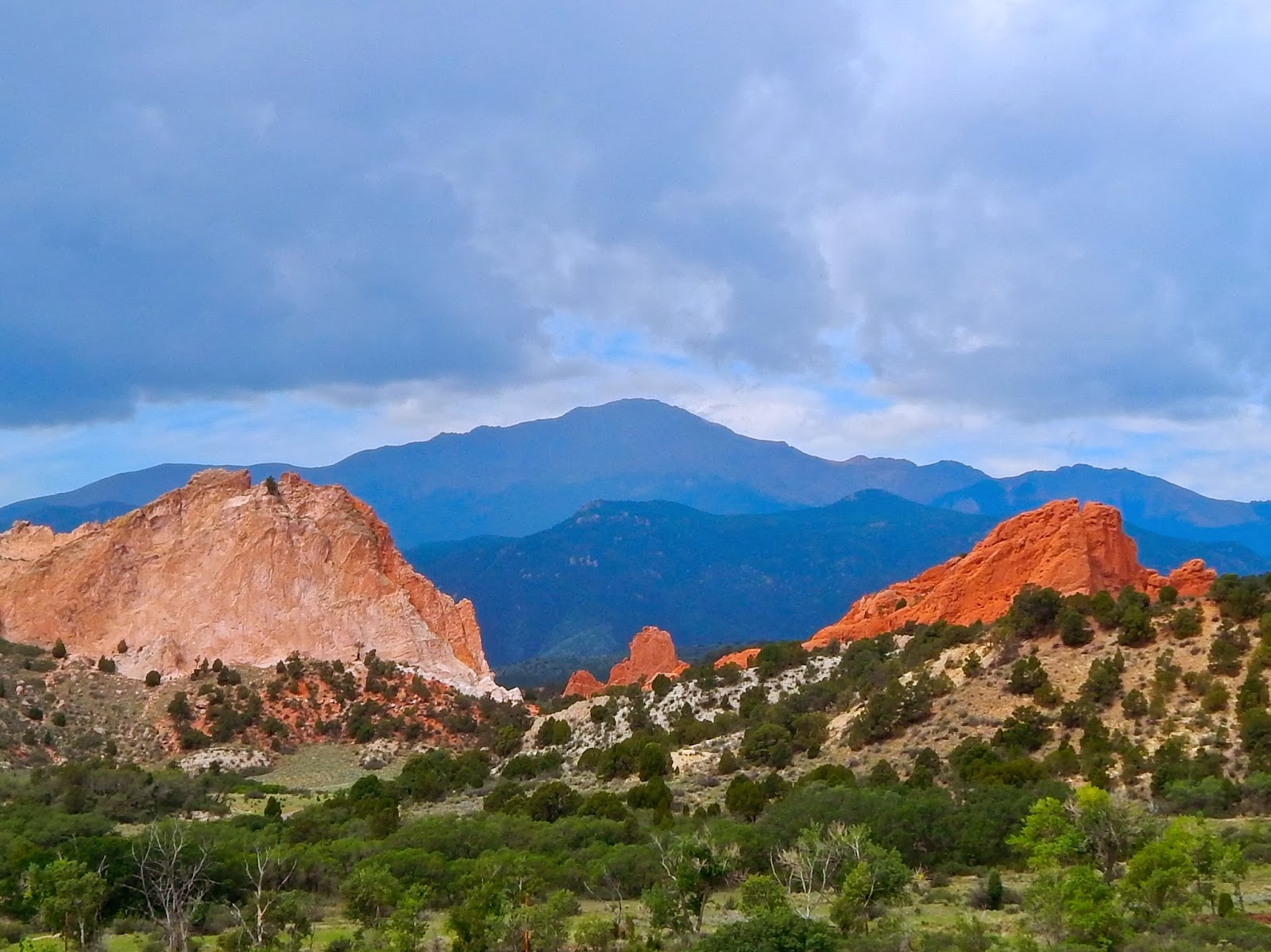
The majestic, purple mountain Towering over Colorado Springs, Pikes Peak has been inspiring artists, explorers, gold seekers and presidents for over 200 years. In 1806, from out on the fruited plain, Zebulon Pike first beheld the majestic, purple mountain. He named it Grand Peak but early trappers and soldiers refused to call the megalith anything but Pikes Peak. Zeb felt compelled to climb the challenging alp as he led a party of trailblazers in a failed attempt to reach the summit. Upon his return, he wearily admitted that the mountain would probably never be climbed. The half-marathon distance from base to the summit was finally attained in 1820 and by 1873 the U.S. Army had established a military installation at the top of Pikes Peak. President Ulysses Grant hoped that meteorological data gathered from the summit of the high peak would assist in predicting volatile weather patterns circulating toward the east. He believed the valuable information would be critical in forecas
Ulysses S. Grant Peak - A Fiery Thirteener

Image
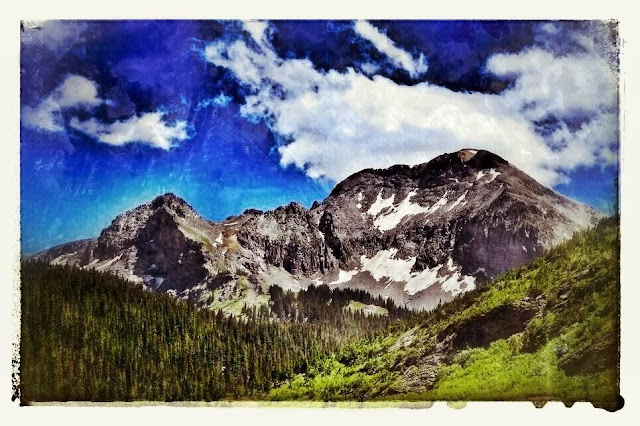
U.S. Grant Peak Colorado became the 38th state to join the Union on August 1, 1876. President Ulysses S. Grant issued the proclamation. Today, the massive U.S. Grant Peak forms a dramatic backdrop for glittering Ice Lake Basin. Mirrored in Island Lake, the rugged mountain reflects the personality of the man to whom it owes its name. From unexceptional beginnings, General Grant moved up through the ranks during the Civil War. He eventually commanded all Union armies and accepted Robert E. Lee's surrender at Appomattox, Virginia. Championed as a popular war hero, Grant easily won the presidency in 1868. His administration proved disappointing though, as his two terms were marred by scandals and substantial charges of corruption. Late in life, Grant contracted throat cancer. Racing against time, he completed a two volume, tour de force of Personal Memoirs. Written in pencil on lined pads of writing paper, the work is considered one of the most resolute accounts of war in Amer