Posts

Showing posts with the label pioneers

Saddle Rock - The Wild West
Image
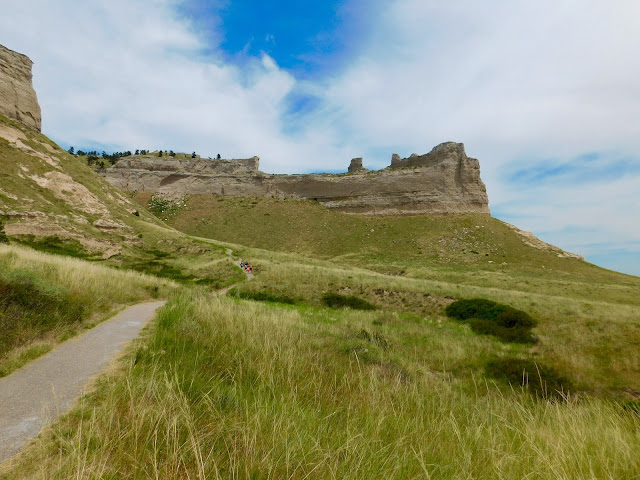
Saddle Rock On a sweltering summer day in Nebraska, we hiked at Scottsbluff National Monument all the way up to the top of Saddle Rock. Unfortunately, a natural roadblock forced a detour but that didn’t diminish our resolve. Just like the first pioneers, we approached the remarkable formation by crossing the rolling hills of a flower-filled prairie. Recent rainfall had transformed the vibrant grassland into a kaleidoscope of vivid color. The spacious summit was a unique habitat featuring steep ledges, ponderosa pine and dangerous rattlesnakes. Views were far-reaching as a wide vista included the Twin Cities and most of the North Platte Valley. I can only imagine what it must have been like to migrate across this vast landscape so many years ago. Things are different now but when you visit a place such as this, you still get a sense for what it was like when the West was wild. Scottsbluff National Monument From the top of Saddle Rock Rolling hills A flower-
Ornate Box Turtle - A Harmless Homebody

Image
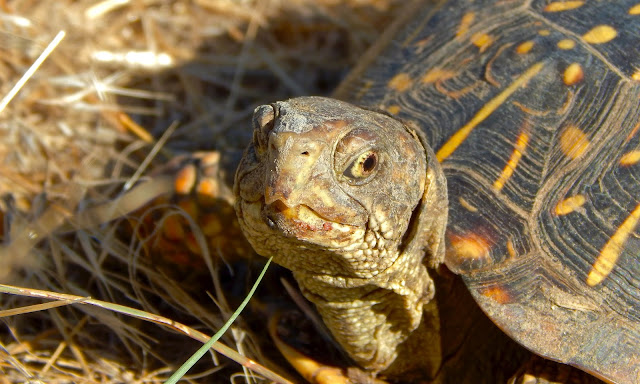
Ornate Box Turtle Inhabiting the arid sandhills of western Nebraska, the ornate box turtle is perfectly content to live life in the slow lane. Sharing some of the same traits as the persistent pioneers that first settled the area, he is admired for his grit, determination and perseverance. The species was first discovered in Nebraska circa 1795 and described by early explorers as occurring in “vast numbers” all across the prairie. Today, their status is uncertain but the population must be at least stable because I frequently see them during the summer. This tortoise is a harmless homebody that doesn’t require much room to roam. Active from April through October, he saunters through the brush existing in a small territory that’s just a few acres in size. By the first frost, he digs a shallow burrow and hibernates over the winter. In his small world there isn’t much competition for available food resources because this easy-going omnivore isn’t a picky eater. His favorite mea

Courthouse and Jail Rocks - A Proud Palace of Solitude

Image
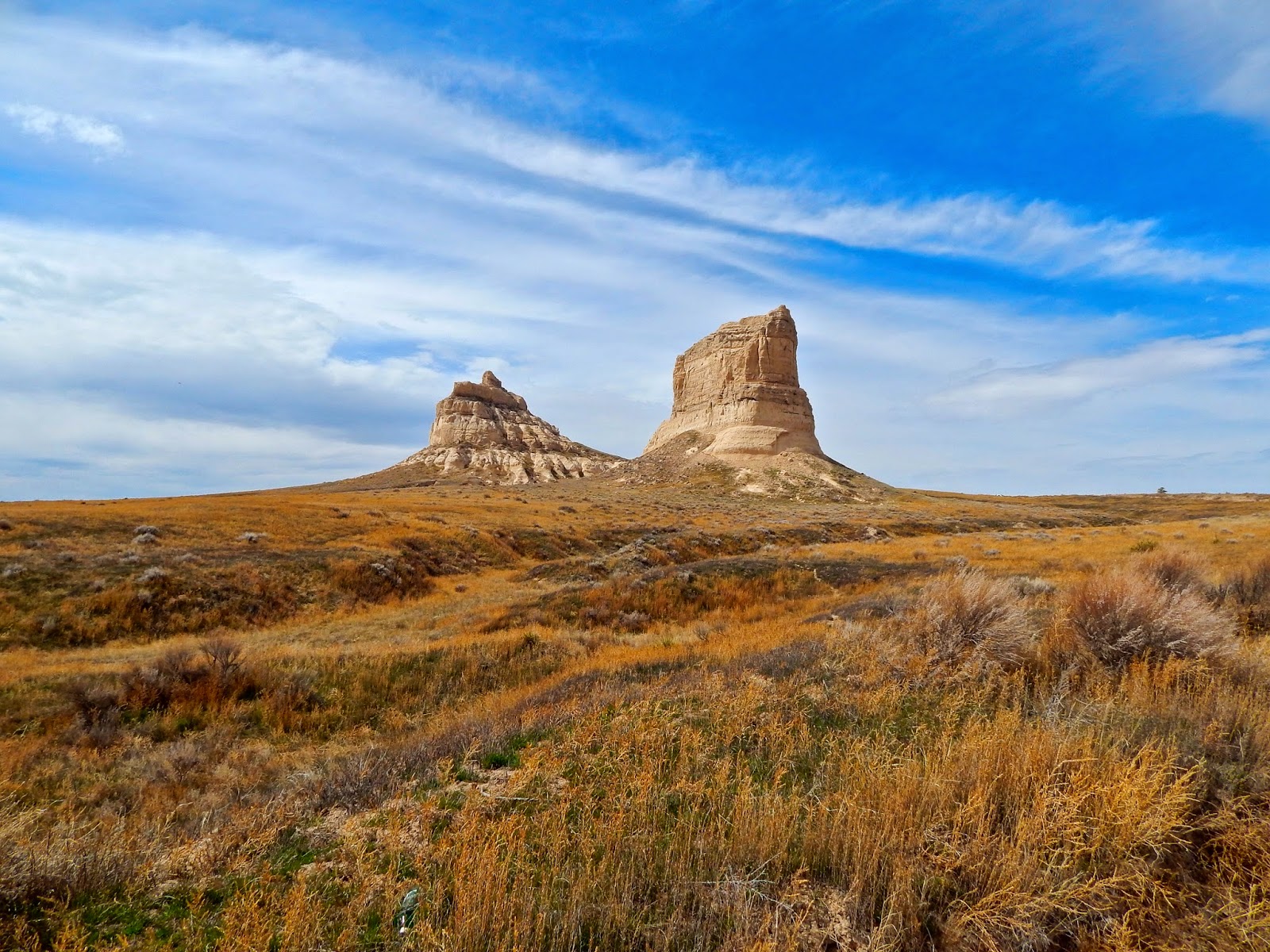
Courthouse and Jail House Rocks Located just south of Bridgeport in the panhandle of Nebraska at the eastern terminus of the Wildcat Hills, Courthouse and Jail House Rocks ascend 400 feet above the North Platte River Valley. For me, the rocks are an enduring symbol of the pioneer spirit, hope and home. During the Westward Expansion , they were a famous landmark as the Oregon, California, Mormon, Pony Express and Sidney-Deadwood trails all ran near the geographical marvels. The formation was first noted by Robert Stuart in 1812. From a far distance, he observed a solitary tower rising out of the open prairie. Only upon closer inspection did he discover there were actually two. Stuart thought the larger feature looked like a courthouse, while the smaller a jail. Locals originally began calling the place McFarlan's Castle while passerbys referred to them as the Lonely Tower, the Castle or the Capitol. By 1837, the name Courthouse and Jail Rocks had stuck. During the 19th cent

Caribou, Colorado - No Risk, No Gain

Image
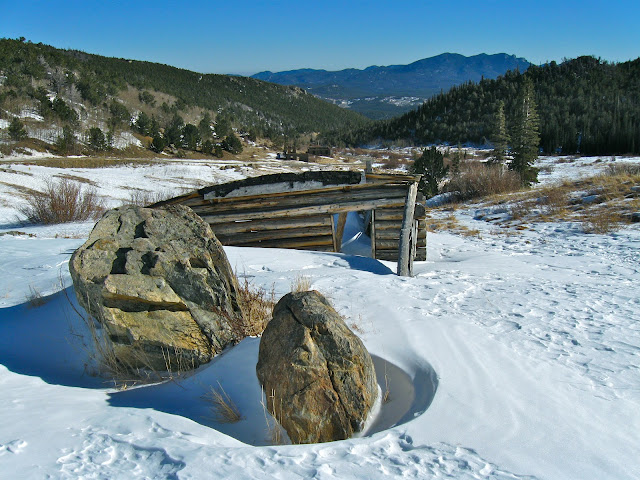
The abandoned Caribou townsite The abandoned townsite of Caribou, Colorado is situated high in the Rocky Mountains west of Boulder just below the continental divide. It's the place where the winds are born and if you listen closely you can still hear the echoes of a glittery past. Silver was discovered on the hill in 1868 and a small mining camp was quickly organized. It's less than a ghost town now with just a few dilapidated structures still remaining but it's not the architecture that drew me here. I'm interested in the stories about the extraordinary people who gave Caribou its life. With high-grade silver ore coming out and Eastern investment dollars pouring in, the news spread internationally. A congregation of daring souls from Cornwall, United Kingdom, whose hard rock mining skills were in high demand, risked everything and immigrated to Caribou. The carpenters, merchants and common laborers were American but the heart and soul of the camp were the expert