Posts

Showing posts with the label quarter

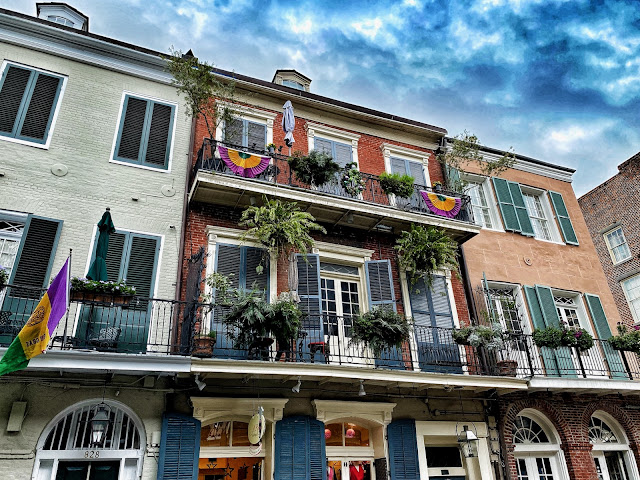
The French Quarter - Heart-wrenching Beauty
Image
The French Quarter The French Quarter in New Orleans is chaotic, dirty, dark, decadent, debased, lurid, raucous, salacious, shocking, unrestrained and wild, and I love it. The old market is a potent potpourri of people, sights, sounds and smells that overload your senses in a way you’ve never experienced before. A modest family man, I resist the temptation to partake in the public depravity proceeding all around me. Instead, I melt into the dank alleyway and take photographs of the eclectic architecture and outrageous activities. The rowdy neighborhood is overcrowded with excited revelers who have apparently overcome their natural inhibitions. Visitors hang over the wrought iron railings while impromptu parades march through the streets, impeding the progress of any automobiles crazy enough to enter the fray. The din of this extravagant absurdity is drowned out by the live music that explodes from every orifice in the locale. The exuberant mixture of melodies is a simmering
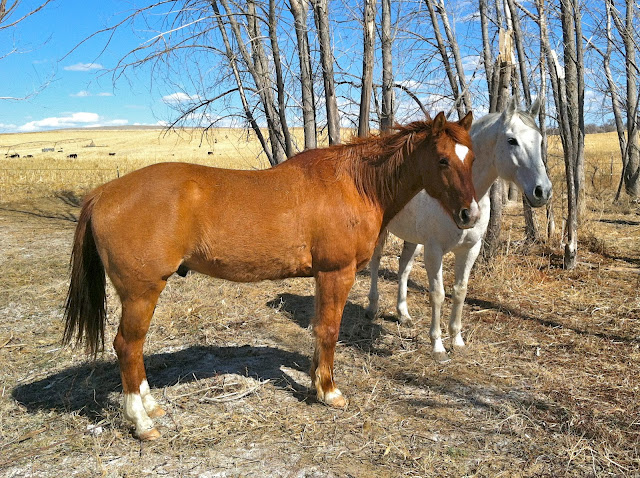
Quarter Horse - An Ideal Cow Pony

Image
Quarter Horse The American Quarter Horse, sometimes described in more elaborate terms as the famous and celebrated Colonial Quarter Pather, was first bred during the early 1600s in Virginia. The first colonists crossed the imported English Thoroughbred with assorted native horses that descended from Spain and were brought to what is now the Southeastern United States by the Conquistadors. This new breed was small, tough and quick. They were recognized as a versatile work horse during the week and an explosive racehorse on the weekend. The sports-crazy English settlers raced their horses over quarter-mile stretches run through the brush, plantations and villages. Local entrants often triumphed, with some sprinters being clocked at up to 55mph. For this reason the animal became known as the Quarter Horse. In the 19th century, pioneers heading west began crossbreeding the Colonial Quarter Horse with the wild mustangs of the Great Plains. The resulting new breed had an innate "