Posts

Showing posts with the label civil war

Harpers Ferry - The Epicenter of American History
Image
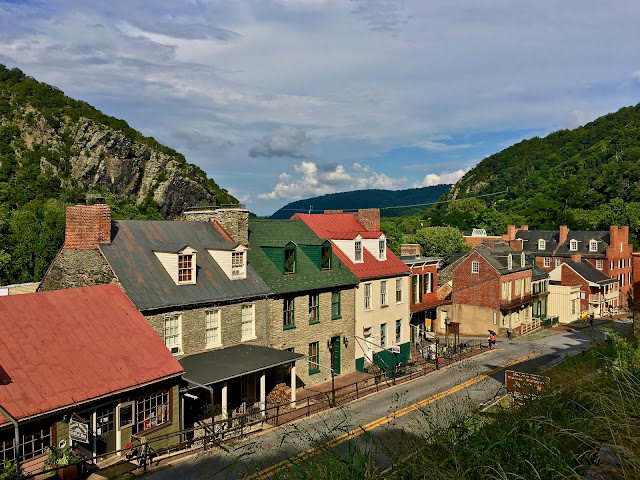
Harpers Ferry, West Virginia Harpers Ferry, West Virginia is nestled in the Blue Ridge Mountains at the confluence of the Potomac and Shenandoah Rivers. Established in 1763, the town was a vital hub situated at the epicenter of American History concerning transportation, industry, slavery and the Civil War. Thomas Jefferson visited the area in 1783 and upon seeing the dramatic gap in the mountains, he declared “the passage of the Potomac through the Blue Ridge is perhaps one of the most stupendous scenes in nature.” George Washington traveled there in 1794 and was impressed by the rugged beauty of the isolated outpost. Washington eventually chose Harpers Ferry as the site for a new national armory and by 1796 the U.S. military arsenal was established. Merchants, mechanics and immigrants flocked to the western Virginia township because of the commerce generated by the machine shops and rifle works factories. Probably the most famous event in the town’s rich history was aboli
Ulysses S. Grant Peak - A Fiery Thirteener

Image
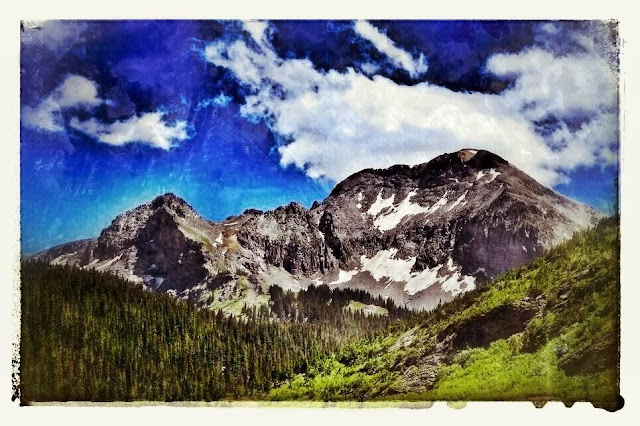
U.S. Grant Peak Colorado became the 38th state to join the Union on August 1, 1876. President Ulysses S. Grant issued the proclamation. Today, the massive U.S. Grant Peak forms a dramatic backdrop for glittering Ice Lake Basin. Mirrored in Island Lake, the rugged mountain reflects the personality of the man to whom it owes its name. From unexceptional beginnings, General Grant moved up through the ranks during the Civil War. He eventually commanded all Union armies and accepted Robert E. Lee's surrender at Appomattox, Virginia. Championed as a popular war hero, Grant easily won the presidency in 1868. His administration proved disappointing though, as his two terms were marred by scandals and substantial charges of corruption. Late in life, Grant contracted throat cancer. Racing against time, he completed a two volume, tour de force of Personal Memoirs. Written in pencil on lined pads of writing paper, the work is considered one of the most resolute accounts of war in Amer